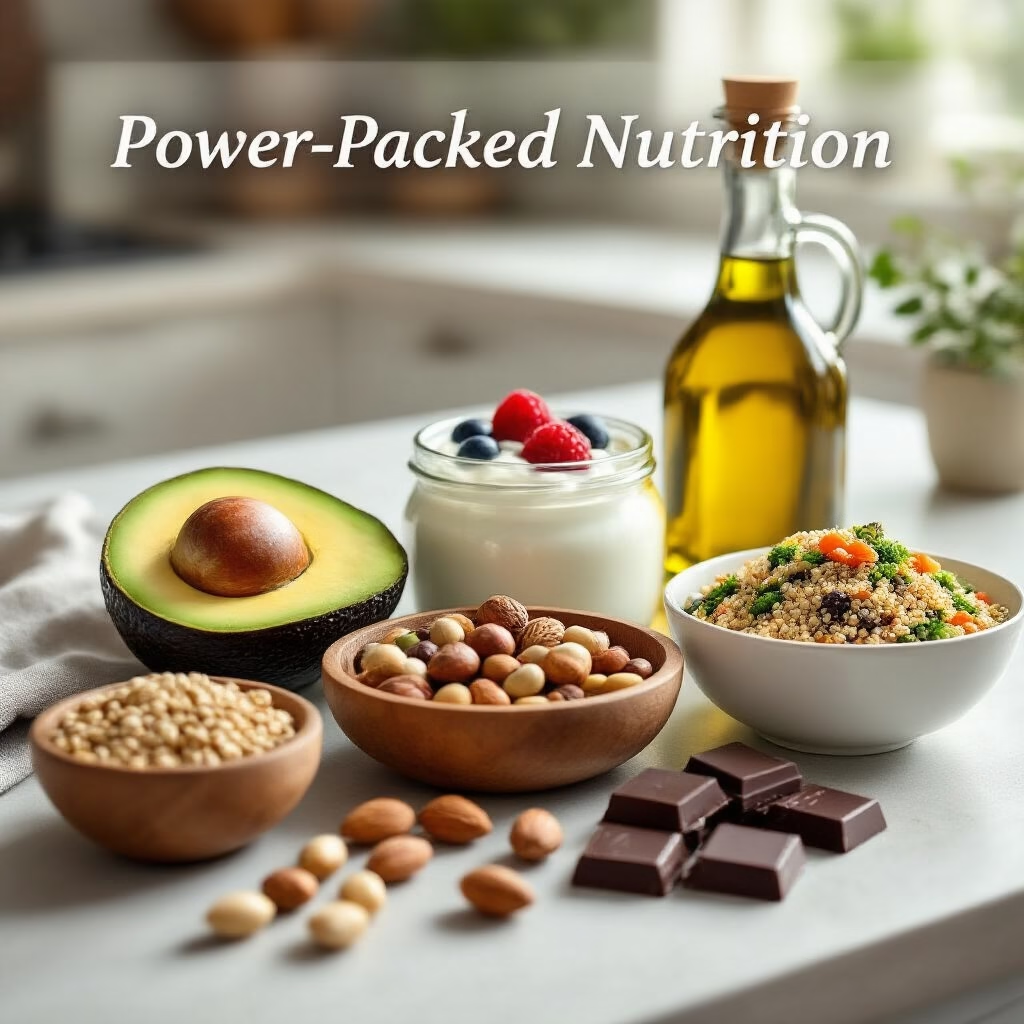
Ever stood in the grocery aisle, wondering why your fitness progress stalled despite eating “clean”? The problem might not be what you’re eating, but how many calories you’re actually consuming.
Let me guess – you’ve been avoiding high-calorie foods like they’re radioactive. But here’s the twist: some calorie-dense foods are actually nutritional powerhouses that fitness influencers are quietly adding to their meal plans.
The healthy high calorie foods revolution isn’t just another Instagram trend. These six nutrient-dense options are changing how serious fitness enthusiasts fuel their gains without force-feeding themselves chicken and rice six times daily.
The best part? You probably already have at least two of these in your kitchen right now – but you’ve been trained to fear them instead of embrace their muscle-building potential.
Subscribe for good and useful information.
The Rise of Calorie-Dense Nutrition in Fitness

A. How the fitness narrative is shifting from calorie restriction
Gone are the days when fitness meant starving yourself thin. The game has changed. Fitness influencers are now preaching what athletes have known forever: you need calories to build the body you want. Not just any calories—the right ones. This shift isn’t just trending; it’s transforming how we think about food and fitness.
Avocados: The Ultimate Healthy Fat Source

A. Nutritional profile and calorie content
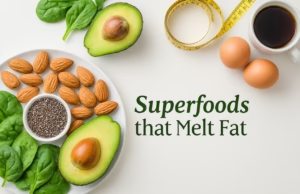
Avocados are calorie powerhouses that won’t wreck your diet. One medium avocado packs about 240 calories and 22g of fat—mostly the heart-healthy monounsaturated kind. They’re loaded with fiber (9g), potassium, vitamin K, and folate while containing almost no sugar. No wonder fitness influencers can’t stop posting about them!
Nutrient-Rich Nuts and Seeds

A. Calorie and protein content comparison
Nuts and seeds aren’t just fitness influencer eye candy – they’re caloric powerhouses. Macadamias pack a whopping 204 calories per ounce while almonds deliver 6g of protein. These tiny nutritional bombs let you easily add 500+ calories to your daily intake without feeling stuffed. No wonder fitness pros can’t stop raving about them!
B. Omega fatty acids for recovery and inflammation
Walnuts and flaxseeds are crushing it on Instagram for good reason – they’re loaded with omega-3s that fight post-workout inflammation like nothing else. Just a handful after training signals your body to recover faster. Fitness influencers swear these healthy fats have transformed their recovery game completely.

C. Portable pre-workout energy options
Try stuffing a gym bag with sweet potatoes for pre-workout fuel. Awkward, right? That’s why fitness stars are obsessed with trail mix combos. A quarter-cup delivers sustained energy that won’t crash mid-set. These grab-and-go powerhouses have revolutionized pre-workout nutrition beyond those chalky bars everyone’s sick of.
Full-Fat Greek Yogurt: Protein Powerhouse

Calorie and macronutrient breakdown
Full-fat Greek yogurt isn’t just delicious—it’s a calorie-packed nutritional goldmine. A single cup delivers around 220 calories with an impressive 20g of protein, 11g of fat, and minimal carbs. Unlike regular yogurt, the straining process concentrates everything good, making it perfect for fitness enthusiasts looking to pack in quality calories without excessive volume.
Probiotic benefits for digestive health
The gut-fitness connection? It’s legit. Greek yogurt’s live cultures like Lactobacillus and Bifidobacterium don’t just sound fancy—they’re working overtime to balance your gut microbiome. Fitness influencers swear these probiotics improve nutrient absorption, reduce bloating, and strengthen immune function. Your gains literally start in your gut.
Pre/post workout applications
Timing is everything with Greek yogurt. Pre-workout, it provides sustained energy without the heavy feeling. Post-workout? That’s where it shines—delivering fast-absorbing protein alongside carbs when mixed with fruit or honey. The 4:1 carb-to-protein ratio creates the perfect recovery window that elite athletes target for maximum muscle repair.
How influencers are creating viral yogurt bowls
Those gorgeous layered yogurt bowls flooding your feed aren’t just pretty—they’re strategic. Influencers are mixing full-fat Greek yogurt with calorie-dense toppings like granola, nut butters, and honey for bowls hitting 500+ calories. The visual appeal drives engagement while the nutrition profile delivers exactly what hard-gainers need.
Olive Oil and Healthy Cooking Oils

Caloric density and health benefits
Olive oil isn’t just liquid gold for your kitchen—it’s a caloric powerhouse packing 120 calories per tablespoon. Fitness influencers aren’t just using it for cooking anymore. They’re obsessed with its monounsaturated fats that fight inflammation while helping them hit their calorie goals without downing another chicken breast. Plus, studies show people who consume olive oil regularly have better heart health. Win-win.
Why fitness pros are adding oils to smoothies
Ever seen a jacked Instagram model pouring oil into their blender? They’re not crazy. Adding a tablespoon of olive or MCT oil to smoothies instantly boosts calories by 120 without increasing volume. It’s the stealth bomber of calorie hacking. The fat also slows digestion, keeping you fuller longer and stabilizing blood sugar. No wonder #oilsmoothie has millions of views.
Best practices for maximizing nutritional intake
Don’t just dump oil on everything. Pair it strategically with veggies to boost absorption of fat-soluble vitamins A, D, E and K. Store oils away from heat and light to preserve those precious antioxidants. And mix it up—rotate between olive, avocado, and walnut oils for different fatty acid profiles. Your muscles (and taste buds) will thank you.
Whole Grains and Carbohydrate Sources

Why quinoa and oats are influencer favorites
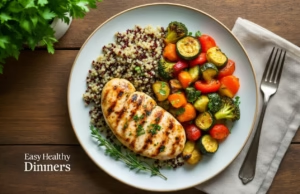
Fitness influencers can’t stop raving about quinoa and oats, and for good reason. These whole grains pack serious caloric punch while delivering clean energy. Unlike processed carbs, they won’t crash your system mid-workout. Plus, they’re incredibly versatile – appearing in everything from pre-workout bowls to post-gym refuels that actually taste good.

Dark Chocolate: The Surprising Fitness Food

Antioxidant properties and training benefits
Dark chocolate isn’t just a guilty pleasure—it’s a fitness powerhouse. Packed with antioxidants that fight exercise-induced inflammation, it actually helps your muscles recover faster. Fitness influencers aren’t just eating it because it tastes good—they’re leveraging those flavanols to boost performance and recovery when training gets brutal.
Calorie content and optimal consumption timing
At 600 calories per 100g, dark chocolate is calorie-dense but strategic. The sweet spot? 1-2 squares about 30 minutes before your workout for a natural energy boost, or immediately after training when your body’s craving those quick carbs and healthy fats. Unlike candy, these calories come with actual benefits.
How it fits into a balanced fitness nutrition plan
Think of dark chocolate (70%+ cacao) as your nutrition plan’s secret weapon. It satisfies cravings while delivering magnesium that prevents muscle cramps. Smart fitness pros incorporate it as a pre-workout energizer or post-workout reward—proving you don’t need to sacrifice flavor for results when building muscle.
Conclusion: Healthy High Calorie Foods
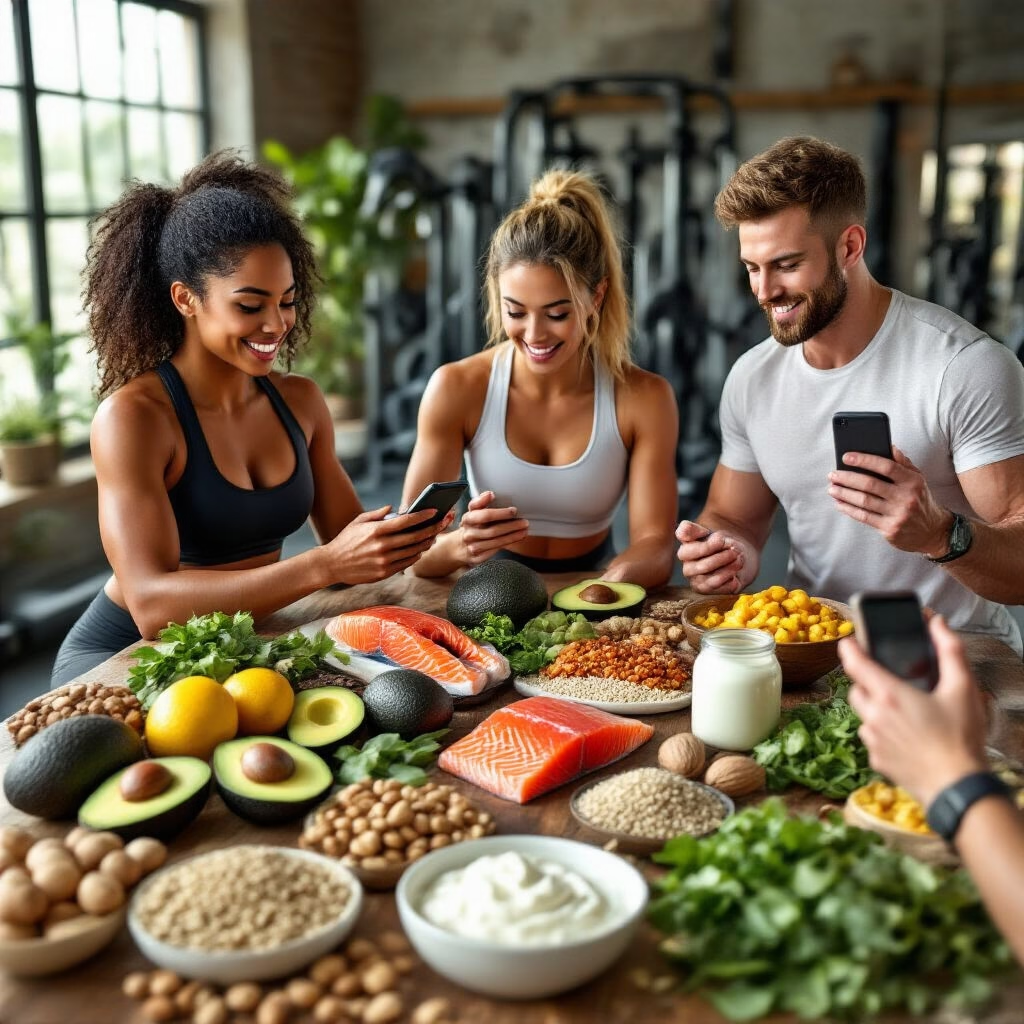
The viral popularity of these six calorie-dense foods among fitness influencers signals an important shift in nutritional thinking. Rather than focusing solely on calorie restriction, fitness enthusiasts are embracing nutrient-rich, energy-dense options like avocados, nuts, Greek yogurt, healthy oils, whole grains, and even dark chocolate. These foods deliver essential vitamins, minerals, healthy fats, and proteins that support muscle growth, recovery, and overall performance.
As you develop your own fitness nutrition plan, consider incorporating these powerhouse foods into your daily meals. Their combination of caloric density and nutritional quality makes them ideal for fueling workouts, supporting recovery, and maintaining energy throughout the day. Remember that sustainable fitness isn’t about deprivation—it’s about nourishing your body with the right foods that deliver both energy and nutrients for optimal performance.
Follow Us On: